Running a spotless restaurant requires more than occasional deep cleans and hoping for the best. You need a systematic approach that covers every surface, every shift, and every corner of your establishment. From daily sanitisation protocols to weekly deep-cleaning tasks, a comprehensive cleaning checklist ensures nothing falls through the cracks, whilst protecting your staff and diners.
Whether you’re opening your first restaurant or refining operations at an established venue, having the right cleaning framework transforms chaotic maintenance into manageable daily routines. Let’s explore how a structured cleaning checklist can streamline your operations, satisfy health inspectors, and keep your customers coming back for all the right reasons.
Restaurant cleaning checklist definition and core components
Think of a restaurant cleaning checklist as your operational blueprint—a comprehensive document that transforms the overwhelming task of maintaining pristine hygiene standards into manageable, systematic actions. Rather than relying on memory or hoping your staff will remember every critical cleaning task, this structured approach ensures nothing slips through the cracks.
Your checklist should encompass three crucial timeframes: daily tasks (sanitising surfaces, cleaning equipment), weekly deep-cleaning activities (descaling machinery, thorough floor maintenance), and monthly comprehensive reviews (ventilation cleaning, storage area organisation). By categorising tasks this way, you prevent the common mistake of leaving intensive cleaning until problems arise.
Modern restaurant cleaning checklists also integrate with digital systems—allowing real-time updates, photographic evidence of completed tasks, and automated reminders that keep your team on track without constant supervision.
Essential restaurant cleaning checklist components and schedules
A well-structured cleaning checklist transforms chaos into order, breaking down your hygiene responsibilities into manageable chunks. Think of it as your restaurant’s health and safety blueprint—every page dedicated to keeping your establishment spotless.
Daily cleaning tasks
Your daily cleaning routine forms the backbone of restaurant hygiene—miss a day, and you’ll feel the ripple effects throughout the week. These tasks keep your front-of-house sparkling whilst ensuring your kitchen remains a safe haven for food preparation.
Kitchen essentials demand immediate attention: sanitise all food prep surfaces, clean and disinfect cutting boards, and wipe down equipment after each use. Your coolers and fridges need daily temperature checks (below 4°C for refrigeration, below -18°C for freezing) alongside interior cleaning to prevent cross-contamination.
Front-of-house maintenance includes sweeping and mopping all floors, wiping tables and chairs between guests, and cleaning restroom facilities thoroughly. High-touch areas—door handles, payment terminals, and menus require constant attention.
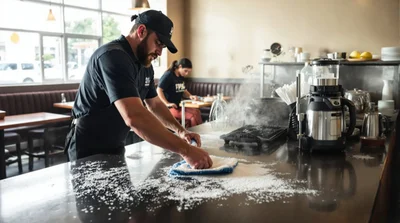
End-of-day protocols seal the deal: empty all bins, wash dishes completely, sanitise sinks, and conduct a final walkthrough. Your staff should clean coffee machines, soft-serve equipment, and any specialty appliances used during service.
Weekly cleaning tasks
Weekly tasks dive deeper than your daily routine, tackling areas that accumulate grime gradually but steadily. These sessions prevent small problems from becoming expensive disasters whilst maintaining professional standards.
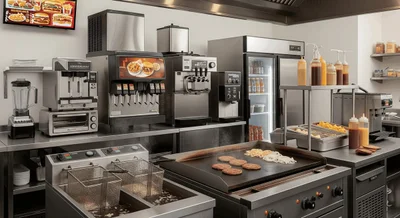
Kitchen deep-dives include cleaning inside ovens, grills, and fryers—tasks that require equipment to cool down properly. Strip and sanitise shelving units, clean behind moveable equipment, and thoroughly scrub walls around cooking areas. Your walk-in coolers and freezers need complete cleaning, including shelves, walls, and floors.
Equipment maintenance becomes crucial: descale coffee machines, clean ice makers thoroughly, and service dishwashers with appropriate cleaning solutions. Check and clean exhaust fans, replace air filters, and inspect equipment for wear and tear that might compromise hygiene standards.
Monthly cleaning tasks
Monthly cleaning tackles the forgotten corners and hard-to-reach spaces that daily and weekly routines cannot address. These comprehensive sessions ensure your restaurant maintains its standards even under the scrutiny of surprise health inspections.
Structural cleaning demands attention: scrub walls completely, clean ceiling tiles or surfaces, and address any mould or mildew issues immediately. Your ventilation systems require professional-grade cleaning—ductwork, exhaust hoods, and filters need thorough degreasing and sanitisation to prevent fire hazards.
Equipment overhauls include disassembling and deep-cleaning mixers, slicers, and other machinery according to manufacturer specifications. Calibrate thermometers, service refrigeration units, and replace worn gaskets or seals.
Pest prevention measures become paramount: inspect for entry points, clean areas where pests might harbour, and evaluate your waste management systems. Check storage areas for signs of infestation, seal any cracks or gaps, and ensure all food storage containers remain pest-proof.
Deep cleaning requirements
Deep cleaning represents your restaurant’s annual health check-up—comprehensive, thorough, and absolutely essential for long-term success. These intensive sessions often require temporary closure or reduced hours but prevent catastrophic hygiene failures.
Professional intervention becomes necessary for tasks beyond daily capabilities: exhaust system cleaning, grease trap servicing, and carpet deep-cleaning require specialist equipment and expertise. HVAC systems need professional maintenance whilst plumbing inspections prevent costly emergencies.
Compliance verification ensures you meet all regulatory requirements: review cleaning chemical storage, update safety data sheets, and verify staff training records. Your pest control contracts need renewal whilst fire safety equipment requires professional inspection.
Kitchen area cleaning checklist standards and protocols
Your kitchen serves as the beating heart of your restaurant operations—and like any vital organ, it demands meticulous care to function properly. These standards form the foundation of food safety and will keep health inspectors nodding approvingly during their visits.
Food prep surfaces
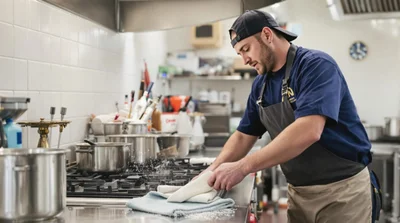
Your prep surfaces are where culinary magic happens—but without proper cleaning, they quickly become breeding grounds for disaster. Sanitise these surfaces between each different food type and thoroughly clean them at the end of each shift.
Start by removing all food debris and washing surfaces with hot, soapy water. Follow this with an approved sanitisingsolution (typically a bleach-water mixture at 50-100 ppm) and allow proper contact time. Don’t forget those often-overlooked areas like cutting board grooves and equipment bases where bacteria love to hide.
Your cleaning checklist should specify different coloured cutting boards for various food types—red for raw meat, blue for fish, and green for vegetables. This simple system prevents cross-contamination and demonstrates your commitment to food safety protocols.
Cooking equipment
Your cooking equipment works harder than a line cook during the lunch rush—and deserves equally dedicated attention. Daily cleaning prevents grease buildup whilst weekly deep cleaning ensures optimal performance and extends equipment lifespan.
Clean grills, griddles, and fryers daily by removing food particles, scraping surfaces, and applying appropriate degreasers. Weekly tasks include dismantling equipment where possible to access hard-to-reach areas. Clean oven interiors, range hoods, and exhaust systems to prevent fire hazards.
Monthly maintenance involves professional-grade cleaning of complex equipment like combi ovens and steam tables. Schedule these deep cleans during slower periods to minimise operational disruption whilst maintaining peak performance standards.
Storage areas
Your storage areas function like silent sentinels protecting your food investment—but neglected storage becomes your worst enemy. Proper storage cleaning prevents pest infestations, cross-contamination, and costly food spoilage.
Clean dry storage areas weekly by removing all items, wiping down shelves, and checking for signs of pest activity. Rotate stock using the FIFO (First In, First Out) method whilst cleaning to ensure optimal inventory management.
Refrigeration units require daily temperature monitoring and weekly interior cleaning. Remove expired items, check door seals, and clean condenser coils monthly to maintain energy efficiency.
Dishwashing station
The dishwashing station operates as your restaurant’s hygiene command centre—where dirty transforms into spotlessly clean. This area requires constant attention as it directly impacts every plate, cup, and utensil your customers touch.
Maintain your three-compartment sink system with proper water temperatures: wash at 110°F (43°C), rinse at 120°F(49°C), and sanitise according to chemical manufacturer guidelines. Replace wash water frequently, as dirty water cannot clean effectively.
Clean and sanitise dish racks, glass racks, and all cleaning tools at the end of each shift. Check dishwasher temperatures and chemical dispensers daily to ensure proper sanitisation levels.
Front of house cleaning checklist and customer areas
Your front of house serves as the stage where first impressions either make or break your restaurant’s reputation. These guest-facing areas demand meticulous attention to detail that directly influences customer perception and loyalty.
Dining area maintenance
Your dining room is where culinary dreams meet customer expectations—and where sticky tables can quickly turn those dreams into nightmares. Every surface tells a story, so ensure yours speaks of cleanliness and care.
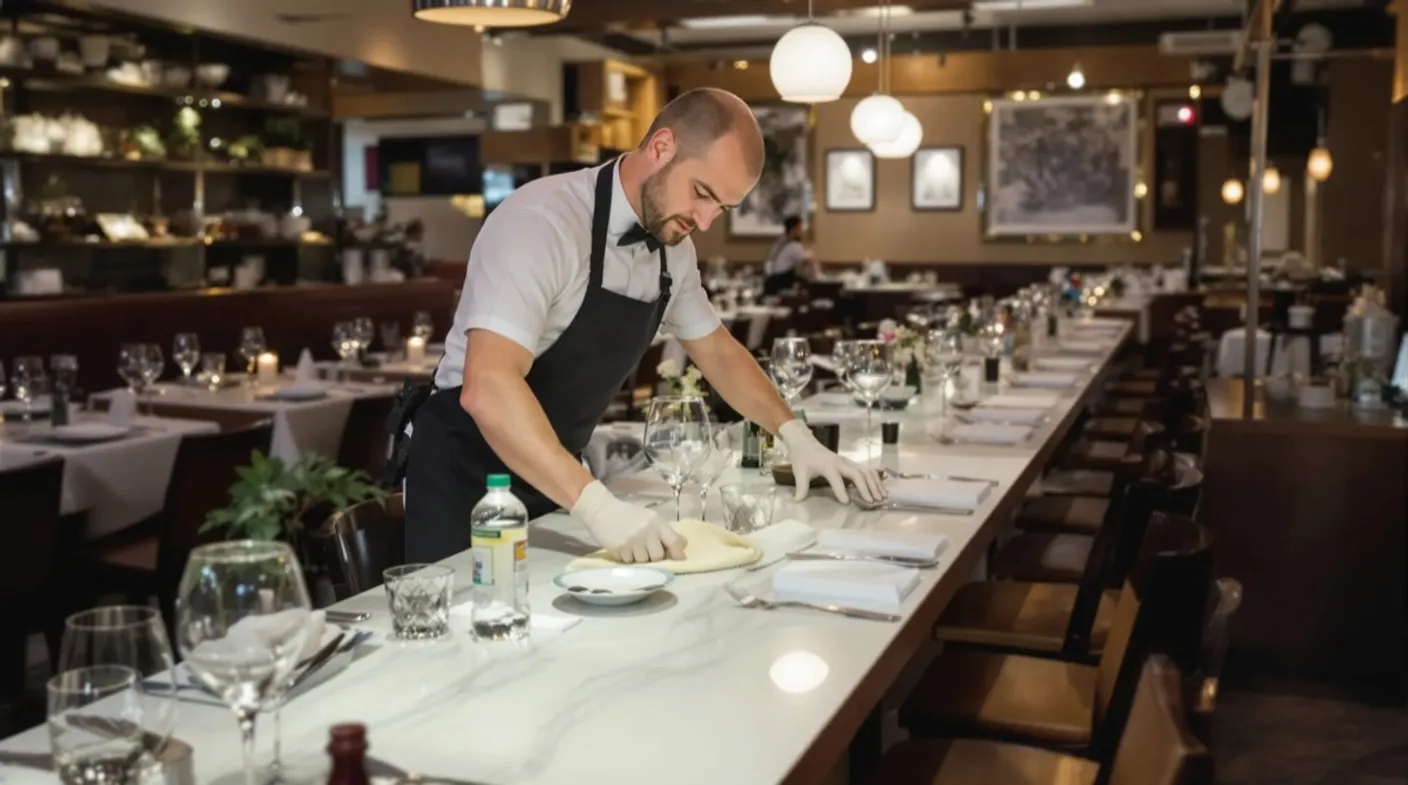
Start with table sanitisation between each seating. Wipe down surfaces with approved disinfectant, then allow proper drying time before resetting. Check table legs and bases for forgotten spills that tend to accumulate throughout service.
Floor maintenance goes beyond the obvious. Sweep thoroughly after each table turn, paying special attention to corners and baseboards where debris loves to hide. Mop with appropriate cleaning solution, ensuring you’re not just spreading dirt around.
Weekly deep cleaning should include moving furniture to reach neglected spots and cleaning light fixtures that accumulate dust faster than you’d think.
Customer toilets
Your customer toilets might be the smallest space in your establishment, but they wield enormous influence over your reputation. A spotless loo can elevate your restaurant’s standing whilst a grimy one can undo months of stellar service.
Establish hourly toilet checks during operating hours. Stock essentials like toilet paper, soap, and paper towels before the dinner rush hits. Clean and disinfect all surfaces including door handles, taps, toilet seats, and flush mechanisms.
Your mirrors and sinks deserve special focus. Water spots and soap residue create an immediate impression of neglect. Use appropriate glass cleaners and ensure taps shine.
Reception and waiting areas
Your reception and waiting areas set the tone for the entire dining experience—they’re your restaurant’s opening act. These spaces need to exude warmth and cleanliness from the moment guests step through your doors.
Focus on high-touch surfaces that accumulate germs throughout the day. Your host station requires constant attention including menus, reservation books, pens, and any digital devices. Wipe down these items between each interaction and sanitise regularly during busy periods.
Your entrance deserves special consideration. Glass doors show every smudge whilst door handles transfer germs between countless hands. Clean glass surfaces with streak-free cleaners and polish hardware to maintain that welcoming gleam.
Master your restaurant’s hygiene with systematic cleaning
Your restaurant’s success hinges on maintaining impeccable cleanliness standards that protect your reputation and ensure customer satisfaction. A well-structured cleaning checklist isn’t just paperwork—it’s your roadmap to operational excellence and regulatory compliance.
By implementing the systematic approach outlined above, you’ll transform cleaning from a reactive chore into a proactive strategy. This methodical framework empowers your team with clear expectations whilst safeguarding your establishment against health violations and negative reviews.
Remember that consistency is key. When you establish these cleaning protocols as non-negotiable standards, your restaurant will thrive with improved efficiency, enhanced customer trust, and sustainable long-term growth. Your commitment to cleanliness today determines your success tomorrow.
Frequently Asked Questions
How often should restaurant cleaning tasks be performed?
Restaurant cleaning follows a tiered schedule: daily tasks focus on immediate hygiene needs like sanitising surfaces and cleaning high-touch areas; weekly tasks address equipment maintenance and deeper facility cleaning; monthly cleaning tackles structural elements and hard-to-reach areas; annual deep cleaning requires professional intervention for comprehensive maintenance.
What areas require special attention in restaurant cleaning?
The kitchen requires constant attention as the operational heart, including food prep surfaces, cooking equipment, and storage areas. Front-of-house areas like dining rooms, customer toilets, and reception areas directly impact customer perception. Each area has specific cleaning requirements and frequencies to maintain hygiene standards and regulatory compliance.
How can digital systems improve cleaning efficiency?
Modern cleaning checklists integrate with digital systems to provide real-time updates, automated reminders, and progress tracking. These systems enhance team efficiency by streamlining task management, ensuring accountability, and providing documentation for health inspections. Digital integration transforms traditional paper-based checklists into dynamic operational tools.