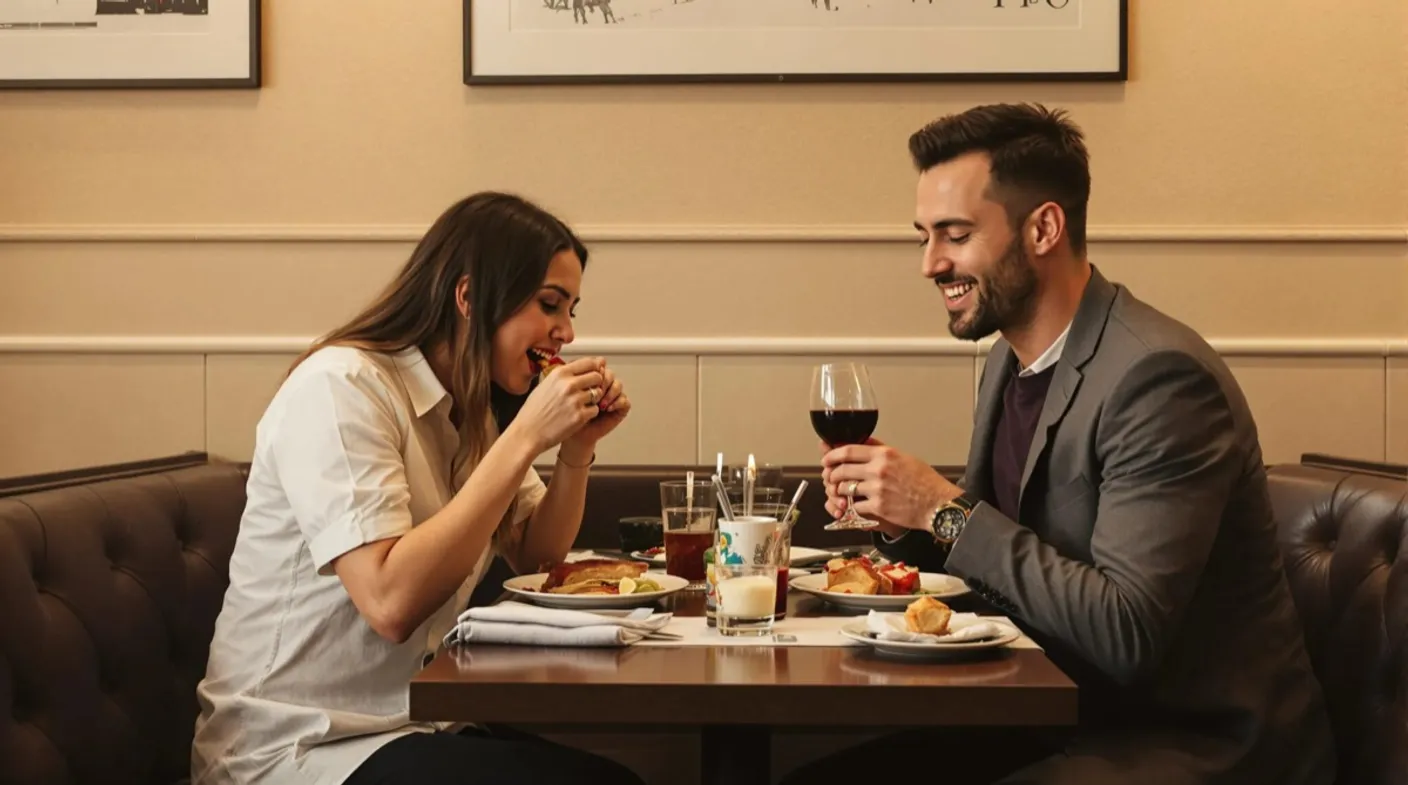
Writing a compelling restaurant review isn’t just about stating whether you enjoyed your meal. It’s about painting a picture that helps fellow diners understand what makes a place special, whether it’s the perfectly seasoned risotto, the attentive service that never feels intrusive, or that cosy atmosphere that makes you want to linger over dessert.
We’ve gathered 40 outstanding restaurant review examples that showcase different styles, tones, and approaches to food criticism. From casual café visits to fine dining experiences, these reviews demonstrate how to balance honest feedback with engaging storytelling.
What makes positive restaurant reviews work: key elements
A stellar restaurant review acts like a bridge between your establishment and potential diners, transforming curious browsers into loyal customers. Understanding what makes these reviews shine can help you recognise genuine feedback and leverage it to enhance your restaurant’s reputation.
Key elements of effective reviews
The most impactful reviews paint a complete picture of the dining experience through specific, sensory details. Rather than simply stating “the food was amazing,” effective reviewers describe the sizzle of your perfectly grilled steak or the aromatic cloud of steam rising from your signature soup. They mention specific dishes by name—your “pan-seared salmon with lemon butter sauce” rather than just “fish.”
Timing details add authenticity and practical value. Reviews that mention “our 7 PM booking was honoured promptly” or “the lunch crowd moved efficiently” provide context that helps future diners plan their visits. The best reviews also acknowledge your staff by name when possible, creating personal connections that humanise your service.
Tone and Language Considerations
The most persuasive positive reviews strike a balance between enthusiasm and credibility. They avoid over-the-top superlatives like “absolutely incredible” in favour of specific praise such as “the risotto achieved that perfect al dente texture” or “our server anticipated our needs without being intrusive.”
Conversational language resonates more than formal restaurant criticism. Reviews that sound like recommendations from a trusted friend—”You’ve got to try their weekend brunch special”—carry more weight than stilted, professional assessments.
Categories of positive restaurant reviews
Understanding the different types of positive reviews helps you appreciate how various dining experiences resonate with customers. Each category serves a unique purpose in showcasing what makes your establishment special.
Fine dining reviews
Fine dining reviews focus on the artistry and sophistication that define premium experiences. These reviews typically emphasise presentation, service excellence, and culinary innovation. Reviewers often highlight specific techniques, unique ingredients, and the chef’s creative vision.
Price discussions in fine dining reviews often frame cost as value—guests understand they’re paying for an experience, not just a meal.
Casual dining reviews
Casual dining reviews strike a balance between quality and approachability. These reviews resonate with families, friends gathering for celebrations, and diners seeking comfort without formality. Reviewers typically focus on generous portions, friendly service, and dishes that feel familiar yet elevated.
Value perception plays a crucial role here. When reviewers mention feeling satisfied with both their meal and their bill, you’ve struck the perfect balance that keeps customers returning.
Ethnic and international cuisine reviews
International cuisine reviews celebrate authenticity alongside accessibility. Reviewers frequently mention specific dishes by their authentic names, then describe flavours and textures for uninitiated readers. They’ll praise restaurants that maintain traditional preparation methods whilst accommodating dietary restrictions.
Exceptional service review examples
When service shines, it transforms an ordinary meal into an unforgettable experience that guests talk about for years.
Outstanding staff performance
“Our server James demonstrated encyclopaedic knowledge of the wine list, recommending a perfectly paired Rioja that elevated our lamb dish beyond expectations. He anticipated our needs before we voiced them, refilling water glasses with ninja-like stealth and checking in at precisely the right moments.”
“Maria recognised us from our visit six months ago and remembered my wife’s preference for tables away from the kitchen. She’d already prepared our usual aperitifs before we’d settled into our seats—that’s the kind of personal touch that builds loyalty.”
Memorable customer care moments
“When our anniversary dinner coincided with a power cut, the staff didn’t panic. Instead, they lit candles throughout the restaurant, and the chef prepared a simplified but absolutely delicious menu over gas flames. What could have been a disaster became the most romantic evening we’ve ever experienced.”
“Our toddler had a complete meltdown during Sunday lunch, and I was mortified. Without being asked, the staff quickly set up a quiet corner table, brought colouring books, and the chef prepared plain pasta with butter—not on the children’s menu but exactly what our little one needed.”
Food quality and taste reviews
Food quality forms the heart of every memorable restaurant review – it’s what transforms a simple meal into an experience worth sharing.
Exceptional flavour descriptions
“The lamb melted like butter on my tongue, infused with rosemary that transported me straight to a Mediterranean hillside.” Notice how this reviewer uses specific comparisons and evokes place? That’s the magic you want to inspire in your guests’ feedback.
The key lies in specificity – the more detailed the flavour description, the more credible and enticing the review becomes.
Fresh ingredient appreciation
“The tomatoes in my salad burst with summer sunshine – clearly picked at peak ripeness rather than shipped from some distant warehouse.” This type of comment reflects commitment to sourcing quality produce.
“You could taste the ocean in every bite of the sea bass – no fishy aftertaste, just clean, sweet flesh that flaked perfectly.”This review validates sourcing decisions and kitchen expertise.
Creative menu highlights
“Who would have thought chocolate and blue cheese could create such harmony? The chef’s dessert board challenged every assumption I had about flavour pairing – and won brilliantly.”
“The autumn squash ravioli with sage brown butter wasn’t just seasonal – it captured the essence of the season in every bite.”
Atmosphere and ambience reviews
The atmosphere you create becomes the invisible ingredient that transforms a simple meal into an unforgettable experience.
Cosy and welcoming environments
“The moment you walk through those heavy oak doors, you’re enveloped by the gentle crackle of the fireplace and the soft murmur of conversation. Mismatched vintage chairs don’t clash—they tell stories.”
“Fairy lights strung between exposed beams create pockets of golden warmth, whilst jazz music plays at just the right volume—loud enough to add character but quiet enough for intimate conversations.”
Family-Friendly atmosphere praise
“From the moment we arrived with our toddler twins and pushchair, the staff moved like a well-rehearsed dance troupe. They immediately offered a highchair, brought colouring books without being asked, and didn’t bat an eyelid when my daughter decided the floor was her personal art canvas.”
Value for money review examples
When customers feel they’ve received excellent value for their money, their reviews become powerful testimonials that attract new diners.
Reasonable pricing appreciation
“Incredible value for the quality we received! The three-course lunch menu at £18.50 felt like a steal when similar restaurants charge double. Every dish was expertly prepared, and the portions were satisfying without being overwhelming.”
“The prices here are refreshingly honest. No hidden charges, no inflated wine markup—just fair pricing for genuinely good food. The ribeye steak at £22 was cooked to perfection and came with proper sides.”
Generous portion acknowledgements
“Massive portions that actually justify the price! The Sunday roast arrived looking like a small mountain—tender beef, fluffy Yorkshire puddings, and enough vegetables to feed two people. Even our teenage sons were satisfied.”
Special offers and deals
“Tuesday night is the best-kept secret in town! The buy-one-get-one-free pizza deal doesn’t compromise on quality—we got two wood-fired pizzas with premium toppings for £14.”
“The early bird menu (5-7 PM) is outstanding value. Three courses for £16.95 with choices that change weekly based on seasonal ingredients.”
Special occasion dining reviews
When customers celebrate life’s precious moments at your restaurant, their reviews become powerful testimonials that speak directly to the emotional connection your venue creates.
Romantic dinner experiences
“The corner table by the window offered just the right amount of privacy whilst still feeling connected to the restaurant’s warm atmosphere. Our server, Marcus, seemed to anticipate our needs without being intrusive—refilling wine glasses with a knowing smile and giving us space during those lingering moments between courses.”
Celebration and event dining
“Booking our family reunion dinner for 16 people could have been stressful, but the events team made everything seamless. They arranged our tables in a lovely U-shape so everyone could chat, and when they brought out the surprise cake for Grandma’s 80th, complete with sparklers, there wasn’t a dry eye in the house.”
Business meal recommendations
“I’ve been bringing clients to The Anchor for over two years now, and it never disappoints. The private dining room provides just the right level of formality without feeling stuffy, and the service is impeccable—professional enough to impress visiting executives.”
Conclusion
Your reviews become digital ambassadors for the restaurants you visit, whether you’re celebrating exceptional service or highlighting outstanding value for money. The specific details you include and the genuine enthusiasm you express can influence booking decisions and build lasting connections between establishments and their communities.
Remember that effective restaurant reviews balance honesty with constructiveness. When you focus on what makes each dining experience unique, you contribute to a richer food culture whilst helping restaurants understand what truly resonates with their customers.
Frequently Asked Questions
How should I structure a restaurant review?
Structure your review following a logical progression from arrival to overall experience. Begin with first impressions and atmosphere, move through service quality and specific dishes, then conclude with your overall assessment. Include specific details about timing, staff interactions, and particular menu items to enhance authenticity and help readers envision their own potential experience.
What are the key elements of different types of restaurant reviews?
Fine dining reviews emphasise artistry and sophistication, focusing on presentation and culinary innovation. Casual dining reviews balance quality with approachability for families. Quick service reviews prioritise efficiency and value. Ethnic cuisine reviews celebrate authenticity and cultural experiences, whilst local pub reviews highlight community connections and familiar atmospheres.