Restaurant advertising has evolved. It’s no longer about newspaper ads and hoping for the best—it’s about showing up where your future guests are already scrolling and creating genuine buzz that drives visits.
Today’s restaurant marketing combines multiple strategies: optimizing your Google presence, running targeted ads, leveraging influencers, and building customer loyalty. The good news? You don’t need a Fortune 500 budget. You just need the right approach and a willingness to meet your diners where they already are.
Ready to turn empty tables into reservations? Let’s dig into exactly how to advertise your restaurant in a way that drives real results.
1) Understanding your target audience and brand identity
Before spending a dollar on advertising, answer two critical questions: Who are you trying to reach, and what makes you different?
Your target audience isn’t “everyone who eats food.” Are you attracting young professionals seeking quick lunches? Families wanting kid-friendly brunches? Date-night couples? The more specific you get, the sharper your advertising becomes.
Start by examining your current customers. Check reservation notes, observe peak times, and talk to regulars. What brought them in? What keeps them coming back? These insights become your advertising compass.
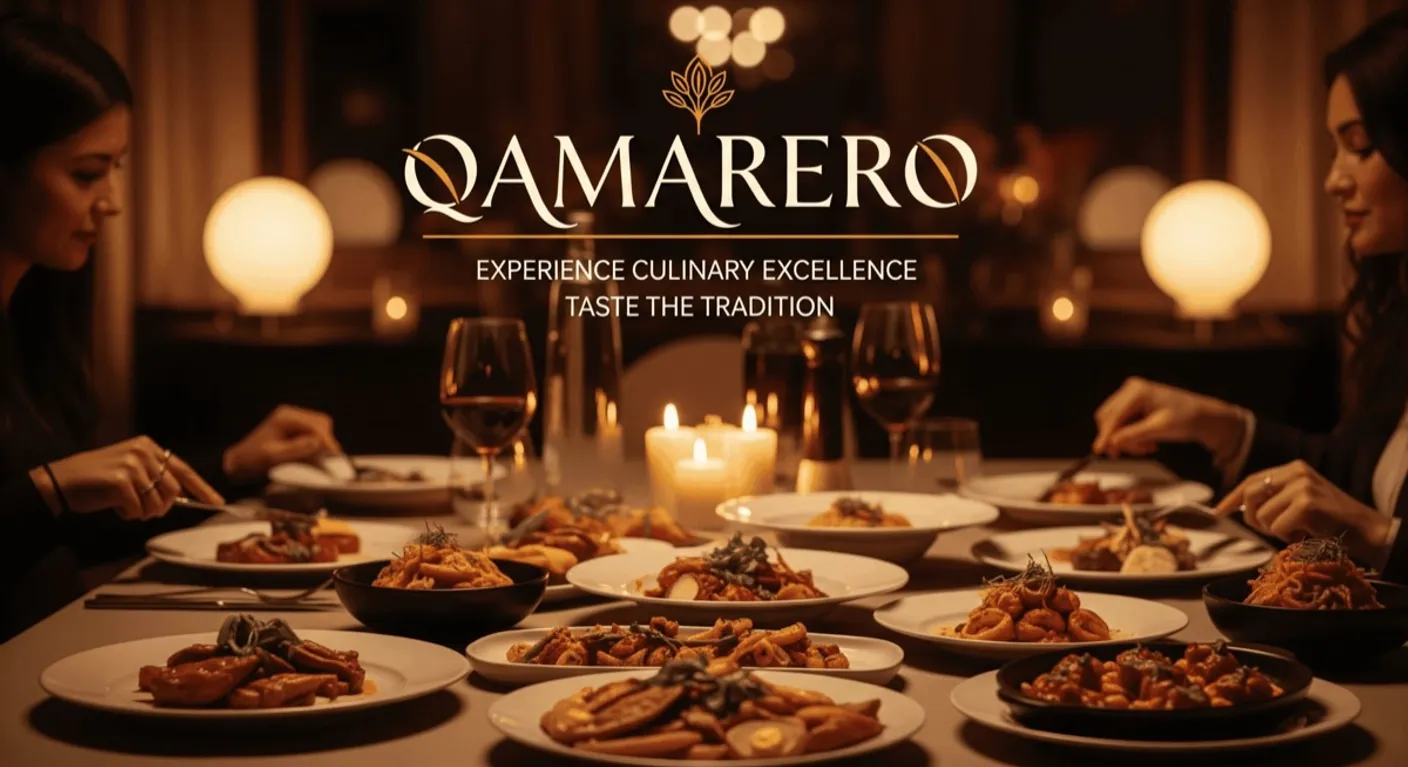
Your brand identity is where restaurants often stumble. It’s not just your logo or colors—it’s the entire vibe and promise you make to diners. Are you the cozy neighborhood Italian spot? The edgy fusion place? The sustainable farm-to-table haven?
Once you nail this down, every piece of advertising should echo that identity. Consistency builds recognition, and recognition builds trust. When someone sees your ad, they should immediately feel what dining at your place is like. That’s the foundation of everything that follows.
2) Building a strong online presence
Your online presence is your restaurant’s digital storefront that never closes.
Website conversion tips
Your website needs to convert visitors into customers. Feature your menu prominently with professional food photography (those dimly-lit smartphone shots won’t cut it). Make your contact info, hours, and location impossible to miss.
Add an online reservation system—people prefer booking without calling. Ensure your site loads fast on mobile, since most people browse while deciding where to eat. Include clear calls-to-action like “Reserve a Table,” “Order Takeout,”and “View Menu.” Don’t make visitors hunt, and don’t make them wait with slow load times.
Social media essentials
Instagram and Facebook are essential for restaurants, while TikTok can drive serious traffic if you nail it.
Post consistently: menu items, behind-the-scenes moments, staff highlights, and customer celebrations. Show your chef’s process and that Friday night energy. People want to experience your vibe before visiting.
Engage promptly with comments and messages. Repost user-generated content (with permission)—it’s authentic marketing gold. Run polls, ask questions, and create interactive content. Social media is a conversation, not a broadcast channel.
3) Local SEO and Google Business profile
A huge chunk of diners search “restaurants near me” when deciding where to eat. If you’re not showing up in those searches, you’re invisible to potential customers actively looking for you.
Your Google Business Profile is the cornerstone of local SEO. Claim it, optimize it, and maintain it like your revenue depends on it, because it does. Fill out every section completely: accurate hours, phone number, website link, menu, photos, and a compelling description.
Upload high-quality photos regularly—Google favors active profiles, and customers want to see what they’re getting into. Respond to every review. When you engage, you’re not just addressing that one customer; you’re showing everyone else that you care.
Use local keywords naturally in your business description. If you’re a seafood restaurant in Charleston, mention that. Encourage satisfied customers to leave reviews (but never fake them—Google will catch you and tank your ranking).
Ensure your restaurant appears consistently across online directories: Yelp, TripAdvisor, OpenTable. Inconsistent information confuses both search engines and customers.
4) Using paid advertising strategies
Paid advertising can boost organic reach with impressive ROI when done right.
Facebook and Instagram ads
Facebook and Instagram ads offer precise targeting by location, age, interests, and behaviors. Promote your new brunch menu to locals aged 25-45 who follow brunch spots and food blogs.
Start with $10-15 daily using eye-catching visuals (video works best) and clear messaging. Create urgency with limited-time offers: “This Weekend Only: 20% Off Our New Spring Menu.”
Use retargeting to reach people who’ve visited your website or social profiles—they’re warm leads who just need a gentle reminder.
Google Ads and local search marketing
Google Ads places you atop search results when people look for nearby restaurants. Choose the right keywords and set an appropriate geographic radius.
Capture high-intent customers searching “Italian restaurant downtown” or “best sushi near me”—people actively ready to eat.
Use ad extensions to display your phone number, location, menu highlights, and reviews directly in the ad. Monitor campaigns closely and adjust regularly—paid advertising requires ongoing optimization.
5) Implementing traditional marketing tactics
Don’t write off traditional marketing just yet. While digital dominates, old-school tactics still pack a punch when used strategically.
Local partnerships amplify your reach. Team up with nearby businesses for cross-promotion: a coffee shop displays your dinner menus, you offer their coffee on yours. Everyone wins.
Community events are golden opportunities. Sponsor a local sports team, set up at the farmer’s market, or host a charity night. You’re not just advertising—you’re becoming part of the community fabric, and people support businesses that support them.
Direct mail might sound ancient, but targeted postcards announcing a grand opening or special promotion can work, especially for older demographics less active on social media.
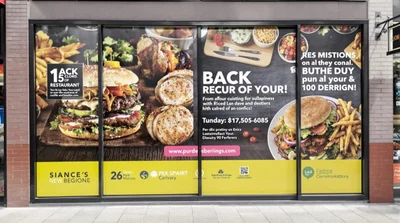
Signage matters more than you think. Your exterior signs, sidewalk boards, and window displays are 24/7 advertisements. Make them compelling and showcase current specials or events.
Don’t underestimate word-of-mouth, the oldest marketing tactic of all. Create experiences worth talking about. A memorable dish, exceptional service, or unique atmosphere naturally generates buzz. Sometimes the best advertising is simply being really good at what you do.
6) Building customer loyalty and encouraging reviews
Acquiring new customers is expensive. Keeping existing ones? That’s where the real profit lives.
Loyalty programs incentivize repeat visits. A simple punch card (“Buy 9 meals, get the 10th free”) or digital app-based system works. People love feeling rewarded.
Email marketing remains one of the highest-ROI channels. Collect emails (with permission) and send regular updates: new menu items, events, exclusive offers. A monthly newsletter with a subscriber discount drives consistent traffic.
Train staff to request reviews: “If you enjoyed your meal, we’d love if you’d share your experience on Google or Yelp.”Provide QR codes at tables linking directly to your review page.
When negative reviews arrive, respond professionally. Apologize sincerely, address the concern, and offer to make it right. Future customers judge your character by your responses.
Create shareable moments. Instagram-worthy desserts, fun wall murals, unique plating—these encourage customers to post about their experience, giving you free advertising to their entire network.
7) Partnering with food delivery platforms and influencers
The delivery economy and influencer marketing are now essential, not experimental.
Food delivery platforms like Uber Eats, DoorDash, and Grubhub expand your reach beyond dine-in customers. Despite the commission, they expose you to customers who might never have discovered you otherwise. Optimize your menu for delivery—some dishes travel better than others—and invest in high-quality photos and detailed descriptions.
Run occasional promotions like “20% off your first order” to convert new customers who’ll return if your food delivers.
For influencer partnerships, skip celebrity chefs and focus on micro-influencers: local food bloggers and Instagram foodies with 2,000-10,000 engaged followers. They’re trusted within their communities and often deliver better ROI. Invite local influencers whose audience aligns with your target market for a complimentary meal. Their genuine review can send a wave of new customers your way.
The key with both strategies? Maintain your quality standards. A mediocre delivered meal or disappointing influencer experience does more harm than good. Your advertising is only as strong as the experience you deliver.
Your advertising works when your experience delivers
Advertising your restaurant successfully isn’t about choosing one magic strategy—it’s about orchestrating multiple tactics that work together, creating a comprehensive approach that meets potential diners wherever they are. From nailing your brand identity to dominating local search, from running targeted ads to building genuine community connections, every piece matters.
But most importantly, remember that all the advertising in the world can’t compensate for a mediocre experience. Your best marketing asset is a satisfied customer who becomes an enthusiastic advocate. Focus on delivering exceptional food, memorable service, and an atmosphere worth returning to. When you nail that foundation, your advertising efforts amplify something genuinely worth promoting.
Frequently asked questions
How important are online reviews for restaurant advertising?
Online reviews are critical for local SEO and customer decision-making. Actively encourage satisfied customers to leave Google and Yelp reviews, respond professionally to all feedback including negative reviews, and make it easy with QR codes linking to review pages. Your responses demonstrate credibility to potential customers.
What is the 30/30/30 rule for restaurants?
The 30/30/30 rule is a simple yet highly effective guideline for restaurant advertising and marketing. It emphasizes the importance of dividing your promotional efforts into three key areas: 30% of your focus should be on in-house marketing, 30% on digital marketing, and 30% on traditional marketing.
What Are the 5 P’s of Advertising?
The 5 P’s of advertising are foundational principles that help businesses, including restaurants, create effective marketing strategies. These components work together to ensure your message not only reaches your audience but also resonates with them: 1. Product 2. Price 3. Place 4. Promotion 5. People.