Picture this: you’re walking down a bustling high street when a restaurant name catches your eye and makes you chuckle. Perhaps it’s “The Codfather” or “Wok This Way” – clever wordplay that’s stuck with you long after you’ve walked past. A brilliant restaurant name can be the difference between a packed dining room and empty tables, yet many business owners struggle to find that perfect balance between memorable and meaningful.
You’ve probably noticed how certain restaurants seem to effortlessly draw crowds whilst others with similar food quality remain overlooked. The secret often lies in their name – that crucial first impression that either sparks curiosity or gets forgotten in seconds. Whether you’re launching your own eatery or simply fascinated by the psychology behind naming, understanding what makes restaurant names truly effective is more valuable than you might think.
From quirky puns to sophisticated wordplay, successful restaurant names share common elements that make them stick in our minds and compel us to step inside. Let’s explore the most memorable examples and discover what makes them work so brilliantly.
Creative restaurant name categories and examples
The best restaurant names reflect their dining experience and target audience. Different categories of establishments benefit from distinct naming approaches that resonate with their customers’ expectations and dining preferences.
Fine dining establishments
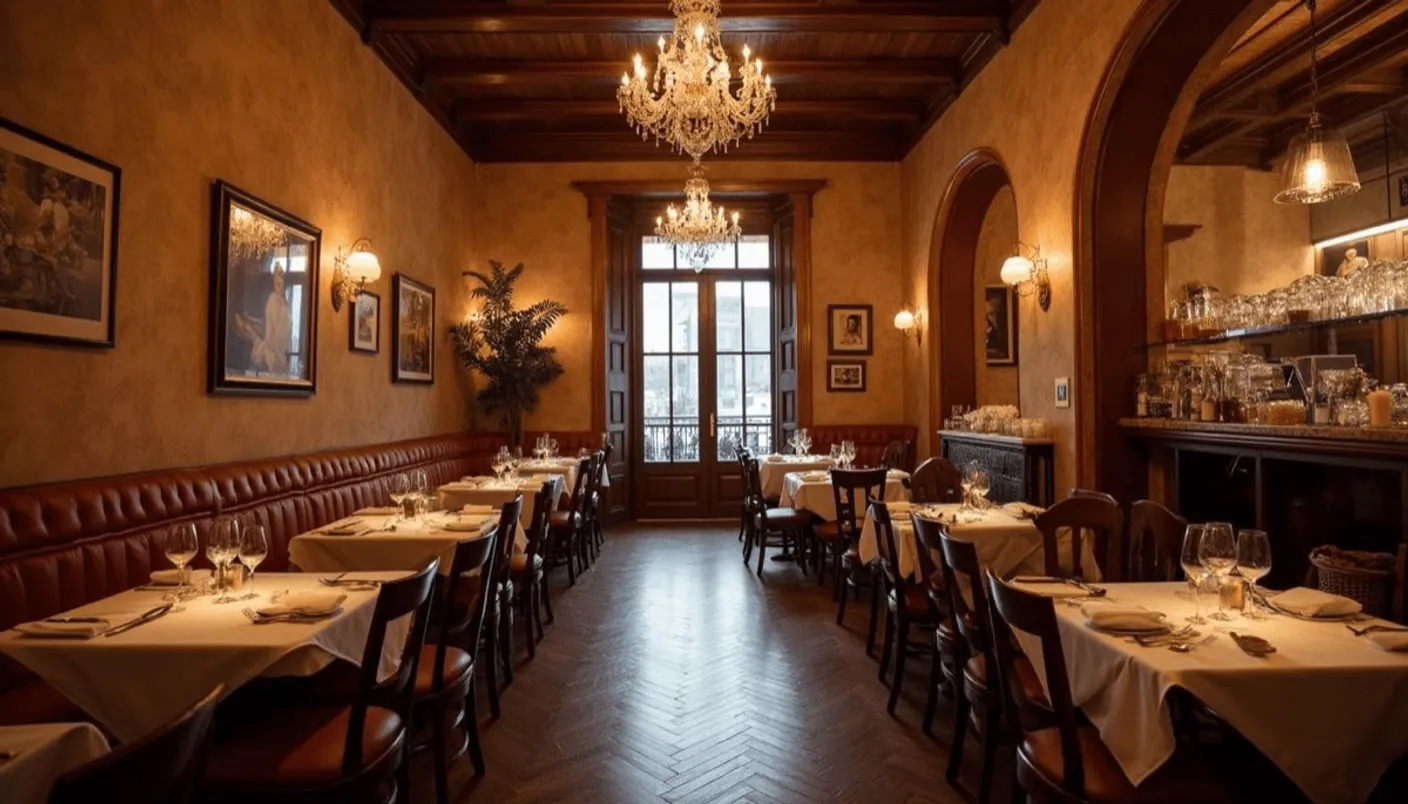
Elegant restaurant names often draw from classical references, sophisticated wordplay, or evoke luxury through carefully chosen language. Le Bernardin exemplifies French culinary prestige through its sophisticated sound and cultural connection. Similarly, Eleven Madison Park combines location specificity with understated elegance—the numerical reference adds intrigue whilst the park association suggests tranquillity.
Geographic references work particularly well for upscale establishments. The River Café capitalises on its prestigious location whilst Sketch demonstrates how single-word names can convey artistic sophistication. These names avoid overly descriptive language, instead relying on subtle associations that sophisticated diners appreciate.
Your fine dining name should sound effortless when spoken aloud—test it with your target demographic. Names that require explanation often fail to create the immediate impression of sophistication that drives high-end bookings.
Casual dining spots
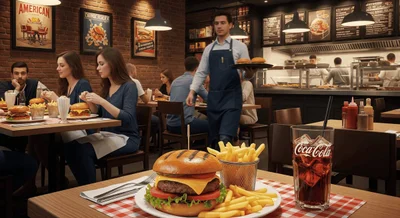
Casual dining names thrive on approachability and personality. Nando’s succeeds through its simple, memorable sound that’s easy to pronounce across different languages. Wagamama demonstrates how foreign words can work when they’re phonetically accessible and create positive associations.
Playful wordplay resonates strongly in this category. Honest Burgers immediately communicates quality and transparency—two key concerns for casual diners. Franco Manca combines Italian authenticity with approachable brevity.
Your casual dining name should feel like something locals would naturally recommend. Test names by imagining how they sound in conversation: “Let’s go to…” The best names flow naturally in everyday speech whilst creating positive anticipation.
Fast food and takeaway names
Fast food names prioritise immediate recognition and convenience associations. McDonald’s demonstrates the power of personal branding that becomes universally recognisable. Subway brilliantly connects underground transport (speed and efficiency) with sandwich construction.
Descriptive names work exceptionally well for takeaway establishments. Domino’s Pizza immediately communicates the product whilst the domino reference suggests quick delivery. KFC combines geographic authenticity with cooking method clarity.
Your fast food name should work effectively on delivery apps and signage. Consider how it appears in small text and whether it creates appetite appeal.
Geographic and cultural restaurant names
Your restaurant’s name can transport diners before they even step through your doors. Drawing from geography and culture creates immediate connection whilst establishing your establishment’s identity.
Location-based names
Location-based names anchor your restaurant in place—literally and figuratively. Shoreditch Grind captures East London’s creative energy, whilst Notting Hill Kitchen evokes the area’s upmarket charm. The Shard Restaurantleverages London’s famous skyscraper for instant recognition.
These names work because they tap into local pride and geographical recognition. When you choose a location-based name, you’re claiming territory in diners’ minds. The approach particularly benefits establishments in well-known areas where the postcode carries prestige.
Cultural references names
Cultural references create instant authenticity and help diners understand your cuisine before they see the menu. Dishoomreferences the sound of Bombay’s tiffin boxes, whilst La Petite Maison uses French to signal authentic cuisine.
The trick lies in choosing references that feel authentic rather than appropriative. Research the full meaning and context of foreign words, and test names with people from the relevant cultural background.
Food-focused restaurant names
Food-focused names centre your establishment’s identity around specific culinary elements, creating immediate connections with diners’ expectations and appetites.
Ingredient-driven names
The Salt & Pepper exemplifies how simple seasoning combinations can create memorable branding whilst communicating attention to flavour fundamentals. The Truffle Hunter suggests luxury and expertise, whilst Bean There Done That creates approachability for coffee shops.
Consider your signature ingredients when crafting these names. Your chosen ingredient becomes your restaurant’s calling card—make it count.
Cooking method names
The Grillery positions your establishment as a grilling specialist, whilst The Smokehouse suggests barbecue speciality. These names work particularly well for casual dining where the cooking method defines the experience.
Tandoor instantly communicates Indian cuisine and traditional clay oven cooking. Your cooking method name should reflect your kitchen’s actual capabilities and specialities.
Playful and memorable restaurant names
Playful restaurant names tap into humour and creativity to forge instant connections with diners, transforming your establishment into a conversation starter.
Puns and wordplay examples
The Codfather brilliantly merges fish and chips with cinema history, while Wok This Way gives Asian cuisine a rock ‘n’ roll twist. Thyme Out works perfectly for a café, suggesting both the herb and a relaxing break.
The magic happens when your wordplay actually relates to your cuisine. Nacho Average restaurant makes people smile whilst immediately telling them what’s on the menu. Remember though – your pun needs to be immediately understandable.
Pop culture references
Breaking Bread subtly nods to the hit series whilst promising fresh baked goods, while Game of Scones transforms afternoon tea into something epic. These names work brilliantly because they tap into cultural moments that people already love.
Think about longevity too. The best pop culture names either reference timeless classics or choose shows with serious staying power.
Traditional and classic restaurant names
Traditional restaurant names draw from timeless elements that create instant credibility and warmth, tapping into familiar concepts that diners associate with quality and heritage.
Family names and heritage
Family names transform restaurants into personal legacies. McDonald’s demonstrates how a surname can become synonymous with global dining success. Heritage names often incorporate words like “House,” “Kitchen,” or “Table” to reinforce the family connection.
When you choose a family name, you’re essentially inviting diners into your extended family circle. This approach works especially well for neighbourhood establishments where building long-term relationships matters.
Historical references
Historical references lend gravitas and sophistication. The Ivy demonstrates how a simple historical reference can create enduring appeal. Medieval references like The King’s Head evoke images of historic gatherings and time-honoured hospitality.
Royal references carry particular weight in British dining culture. Names incorporating “Royal,” “Crown,” or “King’s”suggest quality and prestige whilst remaining accessible.
Modern trends in restaurant naming
Restaurant naming has evolved dramatically in the digital age, shifting toward strategies that reflect contemporary consumer behaviour and technological influence.
Minimalist and single-word names
Minimalist restaurant names dominate the modern dining landscape because they create instant recognition. Single-word names like Salt and Bread communicate their concept directly without unnecessary complexity.
Grain works whether you’re serving artisanal cereals or ancient wheat dishes, whilst Steam suggests everything from dim sum to modern fusion. These names give you breathing room to evolve your concept.
Social media-friendly names
Social media compatibility has become essential for restaurant success. Names like Dirty Burger photograph beautifully on Instagram, whilst The Breakfast Club generates nostalgic engagement across multiple platforms.
Short, punchy names perform exceptionally well in social media environments where character limits and attention spans demand brevity. Flat Iron cuts through digital noise whilst remaining perfectly searchable and shareable.
Conclusion
Your restaurant’s name will be the first impression customers have of your establishment. It’ll appear on search results, online reviews, and social media posts long before they step through your doors.
The most successful restaurant names strike a balance between creativity and clarity. Whether you choose playful wordplay like “The Codfather” or elegant simplicity like “Salt,” your name should reflect your brand’s personality whilst remaining memorable and easy to pronounce.
Remember that your restaurant name isn’t just a label—it’s a powerful marketing tool that can attract your ideal customers and set expectations for their dining experience. Take time to consider your target audience, location, and concept before making this crucial decision that’ll define your restaurant’s identity.
**
Frequently asked questions**
What role does location play in restaurant naming?
Location-based names create strong identity and connection by tapping into local pride and geographical recognition. Names like Shoreditch Grind and The Shard Restaurant leverage their surroundings to build instant familiarity with potential customers. This approach works particularly well for neighbourhood establishments seeking community connection.
What naming mistakes should restaurants avoid?
Common mistakes include overly complex names that hinder memorability, generic names that blend into the background, and trendy names that quickly become outdated. Restaurants should also avoid names that don’t align with their target audience or concept, as this creates confusion and weakens brand identity.
How important is social media compatibility in restaurant naming?
Social media compatibility is increasingly vital for modern restaurants. Names that work well as hashtags or handles, like #EatMyBurger and @TheAvocadoShow, enhance organic marketing reach. Short, memorable names are easier to share, search, and remember in digital environments, making them more effective for contemporary marketing strategies.