Your restaurant’s bar design can make or break the first impression. Whether you’re planning a complete renovation or starting from scratch, the way you approach your bar layout directly impacts everything from customer flow to revenue per square foot. Smart restaurateurs know that a thoughtfully designed bar area serves multiple purposes—it’s a waiting area that generates income, a social hub that encourages longer stays, and often the most Instagram-worthy spot in your establishment.
From choosing the right materials and lighting to optimizing workflow for your bartenders, every design decision shapes your guests’ experience and your bottom line.
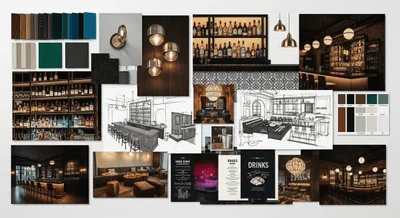
Design aesthetic and visual appeal
Your bar’s visual identity sets the stage for the entire customer experience and directly impacts your bottom line.
Smart space planning
Smart space planning maximizes both efficiency and atmosphere. Create clear sight lines for bartenders to monitor the entire space while maintaining intimacy for guests. The classic triangle layout—positioning your bar, kitchen pass, and POS system within easy reach—maximizes efficiency during busy periods.
Consider guest psychology: people gravitate toward well-lit areas with sight lines to entrances. Position high-tops facing the bar’s action while placing intimate two-tops in quieter corners. Design wide walkways to prevent bottlenecks and create natural conversation clusters with strategic bar stool placement.
Warm colors boost stays
Warm earth tones—deep burgundies, rich chocolates, and burnished golds—encourage longer stays and higher tabs. Cool blues and grays work for modern establishments but need warmer accents to avoid sterility.
Create three lighting zones: bright behind the bar for precision, dim in seating areas for intimacy, and accent lighting for visual interest. Install dimmer switches to adjust atmosphere as evening progresses. Candles or Edison bulbs add warmth without maintenance headaches.
Use mirrors strategically to amplify light and space without creating a funhouse effect.
Durable materials matter
Choose materials that balance aesthetics with durability. Stainless steel and quartz offer bulletproof durability with minimal upkeep—ideal for high-volume operations. Reclaimed wood creates stunning focal points but requires regular maintenance.
For flooring, polished concrete handles heavy traffic and spills while sealed hardwood adds warmth but needs more care. Always use non-slip surfaces near service areas.
Consider lifecycle costs, not just initial investment. Your bar rail should be comfortable for extended leaning—brass develops character while stainless steel stays pristine.
Smart seating choices
Match seating variety to your business model. Bar stools with backs encourage longer stays; backless options feel more casual. Standard 42-inch bar height works with 30-inch stools, but consider your clientele’s comfort.
Prioritize durability over initial appearance. Commercial-grade materials maintain their look longer than residential options. Dark finishes hide wear better than light ones, and smooth surfaces clean more easily than textured materials.
Choose pieces that will serve you well for at least five years and age gracefully rather than just looking good on opening day.
Bar features and functionality
Your bar’s functionality determines whether your space becomes a profit powerhouse or a bottleneck nightmare. Every element—from counter height to storage accessibility—either accelerates service or creates delays that frustrated customers won’t forgive.
Counter design drives service
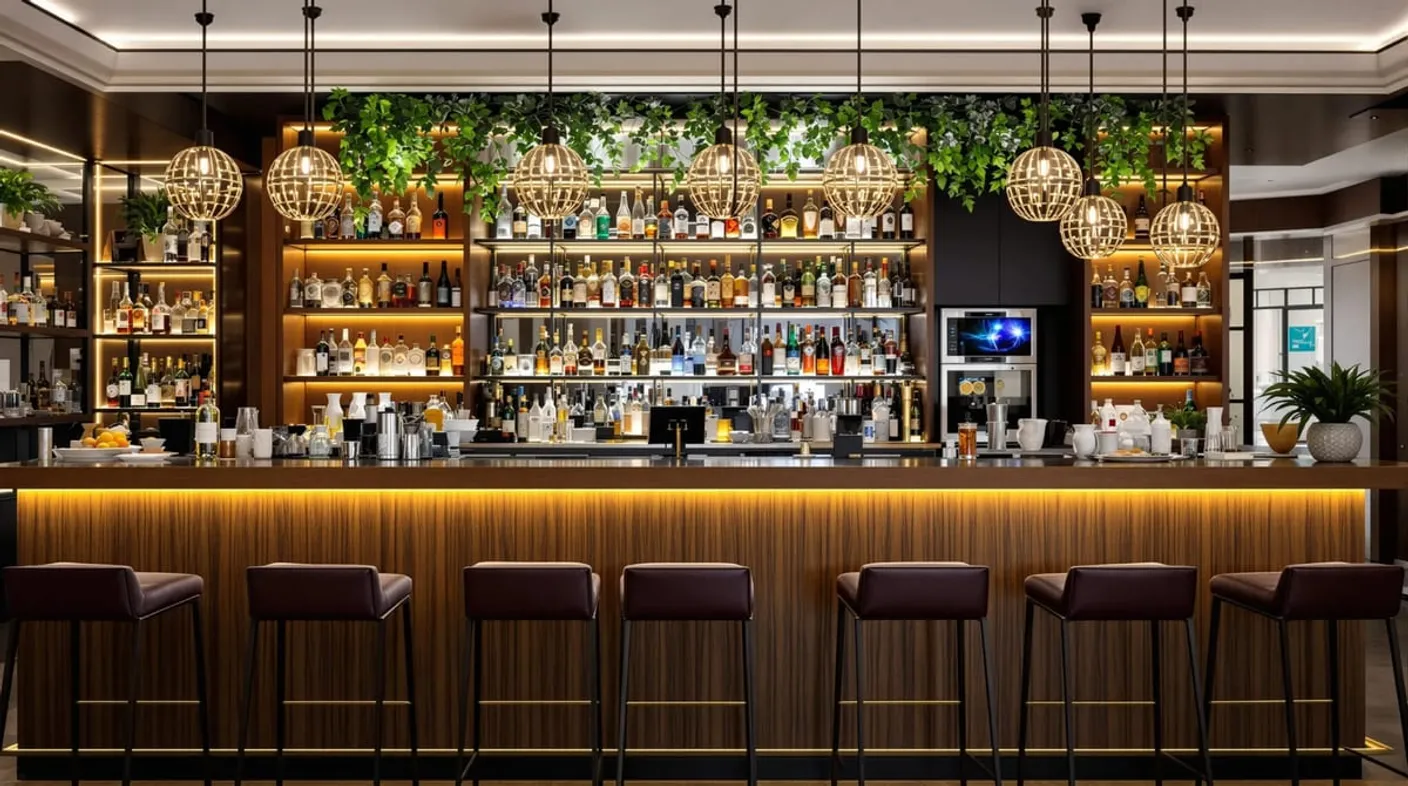
Your bar counter serves as the stage where hospitality magic happens. Standard bar height sits at 42 inches (107 cm), with lower sections at 36 inches (91 cm) for seated dining integration or accessibility compliance.
Construction material impacts both aesthetics and efficiency. Stainless steel tops resist stains and clean easily, while natural stone creates warmth but requires more maintenance. Add a recessed rail around the perimeter to prevent spills and give bartenders a boundary for glassware placement.
Width matters more than most owners realize. A 24-inch (61 cm) depth provides adequate workspace, but 30 inches (76 cm) offers breathing room during rush periods. Your counter is real estate that needs to earn its keep through efficient design supporting high-volume service.
Storage systems save time
Smart shelving transforms your bar from chaos into organized efficiency. Position premium spirits at eye level for visual appeal while keeping frequently used bottles within arm’s reach.
Three-tier systems maximize vertical space without requiring dangerous stretching during busy periods. Install adjustable shelving for different bottle sizes. Speed rails mounted to ice wells keep your most-used spirits—vodka, gin, rum, tequila, and whiskey—immediately accessible.
Under-bar storage deserves equal attention. Deep drawers work better than cabinets for heavy items. Install pull-out shelving systems that bring items to you. Mount glass racks overhead near the dishwasher return area for logical flow.
Include specialized storage—wine refrigeration, beer coolers, and locked storage for expensive spirits. Each solution should reduce staff steps and improve customer experience.
Equipment placement matters
Equipment placement can make or break efficiency. Position ice machines within three steps of every bartending station. Blender stations need dedicated space with power and water access, isolated from glassware to prevent vibration damage.
POS systems should integrate into natural workflow, with terminals positioned where bartenders pause naturally. Under-counter refrigeration units should open away from high-traffic areas without blocking adjacent equipment access.
Consider electrical requirements early. Position GFCI outlets strategically for equipment without creating cord hazards. Water filtration, carbonation equipment, and dishwasher connections all need thoughtful integration maintaining clean aesthetics while ensuring maintenance accessibility.
Workflow efficiency cuts costs
Bar workflow design directly impacts labor costsand customer satisfaction. Apply the golden triangle principle: ice, mixers, and glassware should form tight triangles around each station, minimizing movement during drink preparation.
Create dedicated zones for different services. Cocktail stations need premium spirits, fresh ingredients, and tools within compact areas. Beer service requires tap access and bottle opener stations. Wine service benefits from dedicated refrigeration and proper glassware storage.
Design paths allowing efficient movement without workspace crossing during peak periods. Position service wells away from customer interaction areas, letting servers grab drinks without interrupting bartender-guest conversations.
Consider discrete staff communication systems—bells, lights, or integrated technology—for coordination without shouting. Your design should support teamwork rather than creating competition for shared resources during busy periods.
Atmosphere and ambiance
Your bar’s atmosphere weaves together every design element into a cohesive experience—the personality that transforms furniture and fixtures into a destination customers crave.
Mood influences spending
The mood you create influences how long customers stay, how much they spend, and whether they return. Lighting sets the emotional foundation: warm amber tones invite intimate conversations while cooler blues energize social gatherings. Color psychology matters—deep burgundies and browns suggest sophistication and longer stays, while vibrant oranges and yellows spark energy and quick turnover.
Consider your target demographic carefully. A neighborhood gastropub needs welcoming earth tones and comfortable textures, while a trendy cocktail bar might embrace dramatic contrasts with metallic accents that photograph well for social media. Every visual element should reinforce your intended vibe.
Furniture arrangement orchestrates social dynamics. Intimate two-tops foster romantic dinners, while communal high-tops encourage strangers to connect over shared appetizers. Strategic mirror placement expands space visually and creates sight lines that keep energy flowing.
Sound controls experience
Sound design is your most powerful atmospheric tool. Poor acoustics turn promising evenings into shouting matches, while thoughtful sound management creates perfect backdrops for memorable experiences. You’re aiming for natural conversation flow without competing background noise.
Hard surfaces like exposed brick create lively energy but can overwhelm during peak hours. Strategic sound-absorbing materials—upholstered banquettes, fabric panels, or live plants—control noise without sacrificing aesthetics. Consider acoustic ceiling treatments that blend with your design.
Music selection and volume deserve as much attention as your cocktail menu. Different zones might need varying sound levels: quieter near dining areas, more energetic near the main bar. Invest in quality sound systems with zone controls for adjusting volume and style based on crowd dynamics.
Temperature affects comfort
Nothing kills atmosphere faster than stuffy air or uncomfortable temperatures. Your HVAC system crafts environments where people want to spend time and money, yet many owners underestimate its impact.
Different bar areas generate varying heat loads—kitchens radiate warmth while windows create temperature fluctuations. Plan ventilation zones for consistent comfort across all seating areas. Ceiling fans can enhance aesthetics while improving circulation.
Maintain proper humidity levels—too much feels oppressive and fogs glasses, while too little creates static and discomfort. Modern ventilation systems filter and refresh air without creating drafts that disturb table settings or make customers uncomfortable.
Smart design choices create profitable restaurant bars
Your bar design decisions will ultimately determine whether your restaurant becomes a destination or just another dining option. Every element from lighting to workflow creates ripple effects that impact both customer satisfaction and your bottom line.
The investment you make in thoughtful bar design pays dividends through increased dwell time, higher check averages, and repeat visits. When customers feel comfortable and engaged in your bar area, they’re more likely to recommend your establishment to others.
Remember that successful bar design isn’t just about aesthetics—it’s about creating a functional space that supports your staff while delivering memorable experiences. The right combination of atmosphere, functionality, and strategic planning transforms your bar into a powerful revenue generator that elevates your entire restaurant operation.
Frequently Asked Questions
Why is menu integration important in bar design?
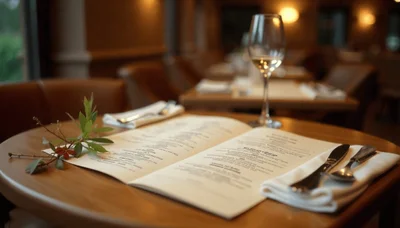
Menu integration transforms your menu into a silent salesperson that drives sales and enhances customer engagement. Strategic placement, digital displays, and seasonal rotations keep offerings fresh and visible. Well-designed menu presentations, combined with spotlight displays for signature items and dedicated food service areas, create an engaging experience that maximizes customer satisfaction and profitability.
What materials work best for bar construction?
Choose durable, low-maintenance materials that can withstand heavy use and frequent cleaning. Consider lifecycle costs, not just initial investment. Popular options include quartz countertops, stainless steel fixtures, and commercial-grade finishes. The materials should align with your brand aesthetic while prioritizing functionality, easy maintenance, and long-term durability to ensure your bar remains attractive and operational over time.
How does bar counter design impact service efficiency?
Optimal bar counter design includes proper height dimensions, accessible storage, and strategic equipment placement. The counter should facilitate smooth workflow for bartenders while providing comfortable interaction space for customers. Smart shelving solutions, organized storage systems, and well-planned counter layouts minimize service delays and create an efficient environment that benefits both staff productivity and customer experience.
What are the common mistakes in bar design?
Common mistakes include: **Poor workflow and ergonomics; Bad lighting choices**; **Inefficient storage; Ignoring customer comfort; Skipping technology.**